George El-Hage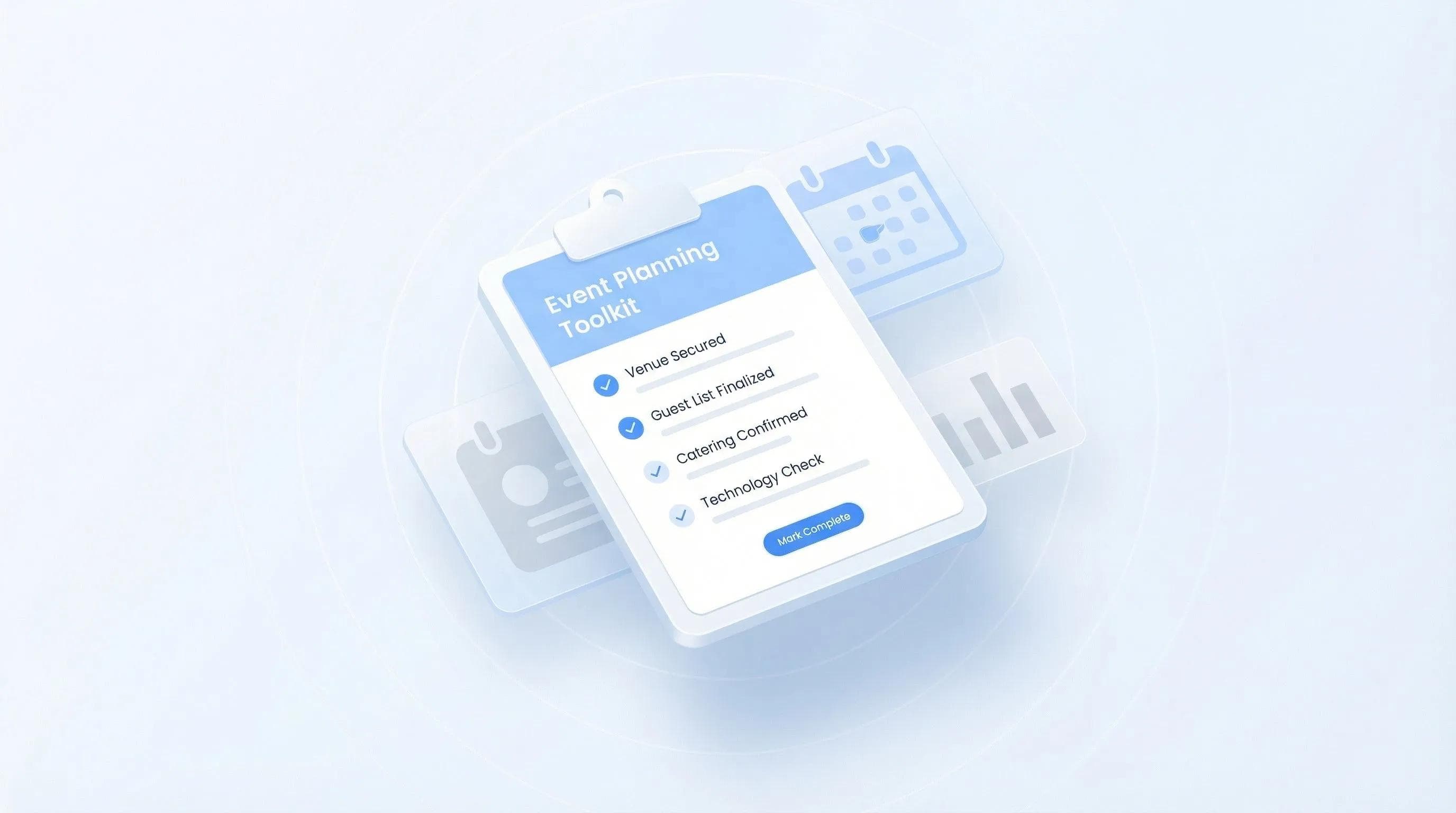
マーケティング担当者向けのイベントツールキットテンプレート は、展示会やイベントを成功に導く土台となるものです。しかし、従来のテンプレートの多くは最新のリード獲得テクノロジーを考慮していません。これまで500回以上のイベントでマーケティングチームへの デジタル名刺システム の導入を支援し、まさにこの用途に向けて Wave Connect のイベント向けリード獲得や バッジスキャナー 機能を開発してきた経験を結集し、従来の計画手法とデジタルファーストのリード獲得を融合させた完全版ツールキットを作成しました。
本ガイドには、ダウンロード可能なテンプレート、導入フレームワーク、そしてデータ入力の手間を減らしながらリード獲得数を10倍に伸ばした実践的なシステムが収録されています。
完全版のマーケティング担当者向けイベントツールキットには、事前計画テンプレート、リード獲得戦略、予算管理シート、イベント後のフォローアップ体制が含まれます。 主な構成要素として、イベントマーケティング計画、チーム連携チェックリスト、CRM連携ガイド、ROI測定フレームワークを網羅しています。最新のツールキットでは、手動でのデータ入力を不要にし、既存のマーケティングオートメーションシステムと直接連携するデジタルリード獲得手法を重視しています。
- 事前準備テンプレート: 計画チェックリスト、予算管理シート、スケジュール進捗管理
- リード獲得フレームワーク: CRMと連携するデジタルシステム
- 当日実行ツール: スタッフブリーフィング用テンプレート、リアルタイム追跡ダッシュボード
- イベント後フォロー体制: フォローアップシーケンス、ROI計算シート、振り返り用ドキュメント
- 無料ダウンロード: カスタマイズしてすぐに使える全テンプレート入り完全ツールキット
完全版イベントツールキットの構成要素とは?
マーケティング担当者向けの完全版イベントツールキットは、「事前計画リソース」「イベント当日の実行ツール」「イベント後のフォローアップ体制」という3つの柱で構成されています。 2026年に最も高い成果を上げるツールキットは、従来の計画テンプレートとデジタルリード獲得テクノロジーを融合させ、ブースでの対話とCRMデータの分断を解消しています。イベントマーケティング計画書、予算管理表、チーム連携チェックリスト、リード見極め(クオリフィケーション)フレームワーク、自動フォローアップシーケンスなどの要素が欠かせません。
最新のツールキットと旧来のテンプレートを分ける決定的な違いは以下のとおりです。
- Wave Connect イベントリード獲得: デジタル名刺(バッジスキャナー内蔵、CRM即時同期、チーム一括展開対応)— 展示会フロアに特化した設計
- リード獲得のシステム連携: HubSpot、Salesforce、Pipedriveと直接連携するテンプレート
- リアルタイム分析: 会期中のリードの質やチームの活動状況を可視化するダッシュボード
- 自動フォローアップ: リードスコアリングに基づいて自動配信される事前構築済みシーケンス
- チーム展開ツール: ブース担当スタッフ全員へのデジタル名刺の一括設定・配布
予算管理シートやベンダー契約、ブースレイアウトといった従来の要素も重要であることに変わりはありません。しかし、デジタルリード獲得との連携がなければ、砂上の楼閣になってしまいます。CES 2025で50名規模のチームを統括した際、半数が紙の名刺を使い、残り半数が デジタルリード獲得ツール を使用しました。どちらのグループが8倍もの質の高いリードを獲得したかは、言うまでもありません。
事前計画テンプレートとチェックリスト
事前計画テンプレートでは、「タイムライン管理」「予算配分」「チーム連携」「リード獲得戦略」の4つの重要領域をカバーする必要があります。 優秀なマーケティングマネージャーは、大規模展示会の12週間前から計画を開始し、ブースデザイン、販促物の制作、スタッフ研修、テクノロジー設定に関する明確なマイルストーンを設定しています。テンプレートには、物理的なロジスティクスだけでなく、CRM連携テストやリード振り分けルールの策定といったデジタルインフラの両方を組み込む必要があります。
- 12〜10週前: 目標設定、予算確保、ブース出展の申し込み
- 10〜8週前: ブースデザイン、販促物の発注、リード獲得戦略の策定
- 8〜6週前: ランディングページの作成、メールシーケンスの設計、CRM連携テスト
- 6〜4週前: ブース担当者のトレーニング、営業チーム向けデジタル名刺の展開
- 4〜2週前: 備品発送、シフト・スケジュールの確定、デモのリハーサル
- 1週前: 最終ブリーフィング、全ツールの動作確認、ロジスティクスの最終チェック
予算計画には、専用の詳細な管理シートが必要です。これまでに数百のイベントで支出を分析してきた結果、マーケティング担当者が過小評価しがちな項目が3つあることが分かりました。「リード獲得テクノロジー」「スタッフの研修時間」、そして「イベント後のフォローアップ用リソース」です。
💡 実体験からのアドバイス: 先日のSaaStrイベントで、あるクライアントが「無料」だと思っていたバッジスキャナーアプリにおいて、リードデータをエクスポートするのに3,000ドルの追加費用がかかると開催2日前に気づく事態がありました。テクノロジー関連の費用項目を網羅した詳細な予算テンプレートを用意しておけば、こうした予期せぬトラブルを防ぐことができます。
リード獲得戦略テンプレート
最新のリード獲得戦略テンプレートでは、リードの見極め(クオリフィケーション)フレームワークと、瞬時のデータ収集を実現するテクノロジースタックの双方が不可欠です。 紙の名刺を手作業でデータ入力する時代は終わりました。テンプレートには、初期コンタクトからCRM連携、フォローアップシーケンスに至るまでのリードの流れを正確に設計しておく必要があります。これには、リードスコアリング基準、担当者への振り分けルール、現場で使用する具体的な獲得ツールが含まれます。
まずはリードの見極めフレームワークから設計しましょう。以下は、常に高い成果をもたらしているテンプレート構成です。
- Aリード(今すぐ客): 意思決定者、予算確保済み、導入時期3か月以内
- Bリード(見込み客): 検討推進者・影響者、ソリューション検討中、導入時期3〜6か月
- Cリード(育成対象): 情報収集段階、直近のニーズなし、導入時期6か月以降
- Dリード(対象外・別対応): 学生、求職者、またはターゲット市場外
次に、リードのタイプごとに獲得手法を紐付けます。Aリードに対しては、バッジスキャナーでの読み取り と即時のホットリード通知が最適です。BリードやCリードには、ナーチャリング施策に向けてCRMへ自動同期できるデジタル名刺が効果を発揮します。
テクノロジー連携の部分こそ、多くのテンプレートが見落としがちなポイントです。リード獲得戦略では、以下の項目を明確に定義しておく必要があります。
- リードタイプに応じた獲得手法の選定
- CRMのフィールドマッピング(会社名、役職、リードスコア、メモなど)
- 自動タグ付け(イベント名、ブース位置、興味のある製品など)
- リードスコアに応じたフォローアップの自動トリガールール
イベントマーケティング計画テンプレート(ステップ別ガイド)
効果的なイベントマーケティング計画テンプレートは、測定可能な目標の設定から始まり、ターゲット層のセグメンテーション、マーケティングチャネル戦略の策定、そして詳細なコンテンツカレンダーの提示までを網羅します。 優れたテンプレートを活用すれば、単に「リードを獲得する」という曖昧な目標ではなく、「パイプライン総額50万ドル以上となるクオリファイドリードを150件獲得する」といった具体的な数値を意識せざるを得なくなります。この具体性こそが、ブースの出展場所からスタッフの配置に至るまで、その後のあらゆる意思決定の指針となります。
クライアントの支援で実際に使用しているステップ別の実践フレームワークをご紹介します。
ステップ1:成功指標(KPI)を定義する
見栄えだけの数字から脱却しましょう。目標設定テンプレートには、次の項目を明確に定義しておく必要があります。
- クオリファイドリード数(スコアカテゴリ別)
- 創出されたパイプライン金額
- 目標CPL(クオリファイドリード獲得単価)
- フォローアップ商談化率
- マーケティングから営業へのリード引き渡しにかかる時間
ステップ2:ターゲット層のセグメンテーション
イベントで接する来場者のタイプごとに、詳細なプロファイルを作成します。 最新の統計データによると、 展示会来場者の67%は決裁権を持っていません。そのため、計画段階でセグメント別の戦略を練っておく必要があります。
ステップ3:チャネル戦略の策定
テンプレート上で、イベント前・イベント中・イベント後のタッチポイントを整理します。
- イベント前: メールキャンペーン、SNS発信、事前アポイントの獲得
- イベント中: ブース内アクティビティ、登壇セッション、ネットワーキングイベント
- イベント後: フォローアップメール配信、お役立ち資料の提供、デモ日程の調整
💡 実践からのアドバイス: 私が支援してきた中で最も成果を出しているチームは、イベント専用のランディングページを作成し、 CRM連携リンク付きのカスタムデジタル名刺 を展示会ごとに用意しています。あるSaaS企業のクライアントは、デジタル名刺のCTAを「[イベントの特定テーマ]について話しましょう」とパーソナライズしたことで、コンバージョン率を3倍に引き上げました。
イベント当日の実行ツール
イベント当日の実行ツールには、リアルタイムのチーム連携、瞬時のリード獲得、そしてパフォーマンス指標の即時可視化が求められます。 混雑する展示会場の現場では、準備不足は命取りになります。スタッフブリーフィング用のテンプレート、リード追跡システム、パフォーマンスダッシュボード、緊急時対応プロトコルをツールキットとして揃えておく必要があります。現代のマーケティングマネージャーは、デバイス間やチームメンバー間で瞬時に同期できるクラウド型ツールを活用しています。
- 前日の実績: リード獲得数、リードの質の内訳、トップパフォーマーの共有
- 当日の目標: メンバー別のリード獲得目標、予定されている商談
- VIP来場者情報: 来場予定の重要見込み客、競合他社に関する情報
- テクノロジー確認: 全端末の充電確認、CRM同期の動作チェック、バックアップ計画の準備
- 競合アップデート: 競合ブース視察で得た情報、メッセージングの微調整
リアルタイムでの進捗追跡ができるかどうかが、プロの現場と素人の運営の分かれ目です。当日の実行ツールキットには、以下の指標を表示するダッシュボードを含めるべきです。
- 時間ごとのリード獲得数(スタッフ配置の最適化用)
- リードの質の分布(ターゲット層を適切に惹きつけられているか)
- メンバー別のパフォーマンス(指導やサポートが必要なメンバーの把握)
- ツールの稼働状況(同期エラーが発生していないか)
緊急時対応プロトコルを後回しにしてはいけません。これまで、CRMのシステム障害からバッジスキャナーの不具合まで、リード獲得業務全体がストップしてしまう事態を何度も目にしてきました。明確なエスカレーション手順とバックアップ手段を用意しておく必要があります。たとえば、トラブル発生時のプランBとしてチーム全員が マーケティング用デジタル名刺 を即座に使えるよう準備しておくことなどが挙げられます。
イベント後のフォローアップテンプレート
イベント後のフォローアップテンプレートは、パーソナライズ感を保ちつつリード育成を自動化できるものでなければなりません。通常、メール配信シーケンス、タスク割り当て、パフォーマンス分析フレームワークなどが含まれます。 イベント終了後の最初の48時間が、投資対効果を左右します。リードの熱量はすぐに冷めてしまうからです。チームが移動や疲労で手一杯な状態でも、テンプレートがあれば即座のアクションが可能になります。事前に作成した配信シーケンス、自動タスク生成、明確な引き継ぎ手順を整えておきましょう。
フォローアップテンプレートは、リードの関心度(確度)に応じて構成します。
- 1〜4時間以内: 最優先(Hot)リードへ日程調整リンク付きの個別メールを送信
- 4〜24時間以内: 有望(Warm)リードへお役立ち資料と予約可能スケジュールを送付
- 2日目: 全リードへイベントの振り返りと次のステップに関するメールを送信
- 3〜5日目: クオリファイドリードの詳細なコンテキストを営業チームへ引き継ぎ
- 2週目以降: 未反応のリードを長期的なリード育成(ナーチャリング)シーケンスへ移行
お礼メールのテンプレートには、ブースでの具体的な会話内容を盛り込むべきです。定型文の一斉送信は、せっかく築いた関係を台無しにしてしまいます。ここで威力を発揮するのがデジタルでのリード獲得です。リアルタイムで記録したメモがあれば、有意義でパーソナライズされたフォローアップが可能になります。
💡 実践からのアドバイス: 即座にCRM同期ができるデジタル名刺 を活用しているチームは、紙の名刺を手作業でデータ入力しているチームと比べて5倍の速さでフォローアップを完了させています。Oracle OpenWorld 2025では、競合他社がデータ入力にすら着手していない段階で、あるクライアントチームはフォローアップシーケンス全体を終えていました。
予算計画とROI測定テンプレート
予算計画およびROI測定テンプレートでは、ブース出展料、テクノロジー費用、スタッフの人件費、リード育成リソースなどの項目を設け、直接費用と機会費用の両方を正確に把握する必要があります。 多くのテンプレートは、イベント前後の工数(人件費)を考慮していないため、イベントの真のコストを見落としています。予算フレームワークでは、企画・準備の工数から営業チームのフォローアップ時間まで、すべてを追跡できるようにすべきです。また、ROIの算出には、短期的なパイプライン創出だけでなく、長期的な関係価値も含める必要があります。
- 固定費: ブース小間料、什器・家具、看板・装飾、配送費
- テクノロジー: リード獲得ツール、CRM連携、分析プラットフォーム
- 人件費: スタッフ工数(事前準備・当日運営・フォローアップ)、トレーニング、旅費交通費
- マーケティング: 事前プロモーション、販促物・配布資料、デジタルアセット
- 隠れコスト: リード処理時間、機会費用、技術トラブル対応
ROIの測定は、単なるリード獲得単価(CPL)の計算にとどまりません。測定テンプレートでは、以下の指標を追跡するべきです。
- クオリファイドリード獲得単価(単なる名刺スキャン数ではなく質の高いリードで算出)
- 30日/60日/90日以内に創出されたパイプライン金額
- リード引き渡しの迅速さ(成約率に直結)
- テクノロジーによる業務効率の向上(デジタルツールの活用で削減できた時間)
- 前年比(YoY)の改善指標
最も成果を如実に表す指標は何でしょうか? それは「ROI達成までの時間」です。最新のリード獲得手法を取り入れたイベントは、データ入力に何週間も待たされることなく即座にリード育成シーケンスに移行できるため、従来の手法と比べて3倍早く投資回収(黒字化)を達成できます。
マーケティングマネージャー向けイベントツールキット(無料ダウンロード)
マーケティングマネージャー向け完全イベントツールキット(無料ダウンロード)には、12週間の計画タイムラインからイベント後の効果分析まで、イベントマーケティングの全フェーズを網羅した15種類のカスタマイズ可能なテンプレートが収録されています。 各テンプレートは、何百ものイベントで実証されたノウハウに基づいており、従来の計画手法の強みと最新のデジタル機能を融合させています。専門知識がなくてもすぐに使えるExcelワークシート、メールテンプレート、CRM連携ガイド、導入手順書がセットになっています。
- ✅ イベント12週間前 計画タイムライン(Excel)
- ✅ ROIトラッキング機能付き イベント予算計算シート(Excel)
- ✅ リード選別フレームワーク(PDF・Excel)
- ✅ デジタルリード獲得 設定ガイド(PDF)
- ✅ スタッフブリーフィング用テンプレート(Word)
- ✅ フォローアップメールシーケンス(10種類のテンプレート)
- ✅ イベント事後分析ダッシュボード(Excel)
- ✅ CRM連携チェックリスト(PDF)
- ✅ 緊急時対応マニュアル(PDF)
- ✅ ベンダー比較シート(Excel)
最初のイベントでの導入には通常2〜3時間かかりますが、一度慣れてしまえば自然と進められるようになります。これらのテンプレートは連携して機能するように設計されています。リード選別フレームワークがフォローアップシーケンスへと繋がり、さらにそれがROIのトラッキングへと連動します。
💡 筆者のワンポイントアドバイス: 一度にすべてを導入しようとしないでください。まずはリード獲得戦略とフォローアップ用テンプレートから始めるのがおすすめです。これらだけでもすぐにROIにつながります。チームが基本をマスターしたら、高度な分析や自動化を段階的に取り入れていきましょう。
まとめ
現代のマーケティングマネージャー向けイベントツールキットは、従来のイベント計画とデジタルファーストの実行力との間にあるギャップを埋めるものです。本ガイドのテンプレートやフレームワークは、2026年の現場で実際に効果を発揮している手法であり、何百ものイベントで検証され、確かな成果に基づいて改良が重ねられています。
現場でよく見られる最大の失敗は、リード獲得のインフラを軽視したまま、ブースの装飾デザインの完成度を高めることだけに何週間も費やしてしまうことです。手作業でのデータ入力というブラックホールにリードが消えてしまっては、どれほど魅力的なバナーがあっても意味がありません。
まずは土台から整えましょう。ブースでの会話からCRM、そして成約に至るまでの流れがシームレスにつながる仕組みを構築することが重要です。それ以外の部分は、後から最適化していけば問題ありません。
よくある質問
マーケティングイベントのツールキットには何を含めるべきですか?
完全なマーケティングイベント用ツールキットには、イベント事前計画テンプレート、リード獲得システム、予算管理シート、スタッフ連携ツール、イベント後のフォローアップフレームワークが含まれます。 12週間前のタイムラインテンプレートからROI測定ダッシュボードまで、重要な要素を網羅しています。
イベントの計画はどのくらい前から始めるべきですか?
大規模な展示会では12週間の準備期間が必要ですが、小規模なイベントでも最低6〜8週間は必要です。 ツールやシステムの設定、CRM連携のテストは、イベントの遅くとも4週間前までに実施してください。
イベントのROIを測定する最適な方法は何ですか?
獲得した総リード数だけでなく、適格リード獲得単価(CPL)、創出されたパイプラインの金額、収益化までの期間を測定することが重要です。 最新のCRM連携を活用すれば、最初の名刺やバッジのスキャンから成約に至るまでの貢献度を正確に追跡できます。
イベントで大人数のチームをうまく連携させるにはどうすればよいですか?
毎日のブリーフィング用テンプレート、リアルタイムのパフォーマンスダッシュボード、チーム全員で同期できるデジタルツールを活用しましょう。 クラウド型のリード獲得ツールを導入すれば、データバージョンの食い違いを防ぎ、現場の状況を即座に可視化できます。
現代のイベントマーケティングにはどのようなテクノロジーが必要ですか?
必須となるのは、デジタルリード獲得ツール、CRM連携、リアルタイム分析、そして自動フォローアップシステムです。 バッジスキャナーやデジタル名刺を活用することで、手作業によるデータ入力をなくせます。
イベントで獲得したリードにはどれくらい早くフォローアップすべきですか?
確度の高いホットリードには4時間以内、有望なウォームリードには24時間以内に、パーソナライズされたフォローアップを行う必要があります。 リードスコアリングに連動した事前構築済みのメールシーケンスを活用すれば、大規模なイベントでもこのスピード感を維持できます。
イベントでのリード獲得を刷新しませんか?
これらのツールキットテンプレートを導入すると同時に、最新のリード獲得手法でチームの営業力を強化しましょう。Wave Connectなら、CRMと直接連携し、何百人ものチームメンバーに数分で導入できます。
無料でWave Connectを試す著者について: George El-Hage はWave Connectの創業者であり、15万人以上のプロフェッショナルのビジネスネットワーキング近代化を支援しています。500件以上の展示会やイベントでデジタル名刺を導入してきた実績を持ち、マーケティングマネージャーがイベントリードを効率的に獲得・追跡・成約へと導くために何が必要かを熟知しています。