George El-Hage
最初の顧客100人をどう獲得するかを見出すことは、創業者として最も困難な挑戦です。戦略が複雑だからではありません。実績(社会的証明)もゼロ、ブランド認知もゼロ、誰も聞いたことがないプロダクトを抱え、すべてを一から手探りで進めなければならないからです。
私自身も同じ経験をしたのでよく分かります。Wave Connectを立ち上げた当時、自信のあるプロダクトはありましたが、顧客は文字通りゼロでした。今でこそ15万人以上のビジネスパーソンにご利用いただいていますが、最初の100人を獲得する過程には、その後のどの取り組みよりも泥臭く、直接足を運ぶ対面の努力が必要でした。このガイドでは、もし私が2026年にゼロからやり直すとしたら実践する具体的なステップを順を追って解説します。
最初の顧客100人を獲得するには、まず個人の人脈から始め、対面イベント、コンテンツマーケティング、コールドアウトリーチの順に拡大していくのが鉄則です。 知人からの紹介は、コールドメッセージに比べて成約率が5〜10倍高くなります。顧客がすでに集まっている場所に自ら足を運び、初日からシンプルなフォローアップの仕組みを構築しましょう。多くの創業者がここで失敗するのは、チャネル選びを間違えるからではなく、継続的なフォローアップを怠ってしまうからです。
- 正しいステップ: なぜ身近な人脈から始め、徐々に外へ広げていくべきなのか(その逆がNGな理由)
- 対面イベント: ネット上では見過ごされがちな、初期顧客獲得に最も効果的なチャネル
- コンテンツとコールドアウトリーチ: インバウンドの関心を引きつけ、スパム感のないアウトバウンドを展開する方法
- 紹介と活用ツール: 初期顧客を成長のエンジンに変える方法と、この段階で本当に必要なツール
なぜ最初の100人が最も難しく、最も重要なのか
最初の100人の顧客は、単なる売上以上の存在です。それは検証であり、フィードバックであり、その後のすべての土台となります。 彼らは、あなたのプロダクトが実際にリアルな課題を解決しているかどうかを教えてくれる存在です。率直なフィードバックをくれ、最初の推薦コメントを書いてくれ、価値を提供できれば知人を紹介してくれます。彼らなしでは、すべてが単なる推測にすぎません。 CB Insightsの調査によると、スタートアップの35%が「市場ニーズの欠如」によって失敗しています。そして市場ニーズの有無は、実際の顧客と対話して初めて明らかになるのです。
ポール・グレアムは有名なエッセイ『スケールしないことをしよう(Do Things That Don't Scale)』 の中で本質を突いています。初期段階における創業者の役割は、自動化されたマーケティングの仕組みを作ることではありません。プロダクトを直接手渡ししたり、自分でセットアップを行ったり、ユーザーの隣に座って使ってもらったりしてでも、あらゆる手を尽くしてプロダクトを使ってもらうことです。
私がWave Connectを立ち上げたときも、広告は打たず、コンテンツファネルも作りませんでした。一人ひとりと対面で対話したのです。そして正直なところ、営業チーム向けのデジタルプロダクトを販売していようと、物理的なサービスを提供していようと、それが今でも最初の100人を獲得する最速の道です。
私の最初の10人の顧客は、前職で一緒に働いたことのある人たちでした。見知らぬ人でも、ファネルから流入したリードでもありません。すでに私を信頼してくれていて、直接のお願いだからと新しいものを試してくれた仲間です。創業当初、私が持っていた唯一の武器はその信頼関係だけでした。
すでに自分を知っている人から始める
個人の人脈は、最初の顧客を獲得する上で圧倒的に成約率が高いチャネルですが、多くの創業者が十分に活用できていません。 具体的には、元同僚、学生時代の友人、LinkedInのつながり、会社を経営している知人、ジムやコミュニティの仲間などです。彼らは「お情け」の顧客ではありません。すでにあなたを信頼しているからこそ、コールドメールのように無視することなく、実際にプロダクトを使って本音のフィードバックをくれる人たちなのです。
今すぐできる実践法を紹介します。スプレッドシートを開き、あなたのプロダクトを自分で使えそうな人、または使えそうな人を知っていそうな知人を50人リストアップしてください。「強い適性あり」「適性あり」「紹介の見込みあり」の3列に分類します。そして、一斉送信メールやLinkedInの投稿ではなく、個別にダイレクトメッセージを送りましょう。何を開発したのか、そしてなぜその人に役立つと思うのかを自分の言葉で伝えます。
なぜこれがこれほど効果的なのかというと、既存の信頼関係や紹介を通じたアプローチは、コールドアウトリーチと比べて約5〜10倍の成約率を誇るからです。信頼できる人からのおすすめがあれば、「この会社は怪しくないか?」という警戒フェーズを一気に飛び越え、「試してみよう」という段階に直行できます。
ここで、キャリアの早い段階で築いた人脈が大きな価値を発揮します。過去に参加したネットワーキングイベントやカジュアル面談など、一つひとつのつながりが、自身でビジネスを立ち上げた際の最初のセールスパイプラインとなるのです。
顧客がすでに集まっている場所に足を運ぶ
展示会、業界ミートアップ、スタートアップイベント、地域のビジネスコミュニティなどの「対面イベント」は、初期段階の創業者にとって最も過小評価されている顧客獲得チャネルです。 この記事を書くにあたり「最初の顧客の獲得方法」に関する上位記事を網羅的に調べましたが、イベントに言及している記事はひとつもありませんでした。どれもLinkedInやReddit、コンテンツマーケティングばかりです。しかし、誰もあなたの存在を知らない創業期においては、見込み客が集まる場に直接足を運び、リアルな対話を交わすことこそが、信頼を築いて成約に至る最速の方法です。
私の実践法をご紹介します。最初の3か月間で12回のイベントに参加しました。業界カンファレンスもあれば、地域のスタートアップミートアップ、商工会議所の交流会などもありました。目的はすべてのイベントで売り込むことではなく、ターゲット顧客像に合致する5〜10人と出会い、連絡先を交換することでした。
ここで重要なのは「量より質」です。50人に名刺を配りまくるのではなく、5人と深い対話を交わしましょう。相手のビジネスについて尋ね、抱えている課題を理解するのです。そして翌日、パーソナライズしたメッセージでフォローアップします。商談が成立するのはイベント会場ではなく、このフォローアップの場なのです。
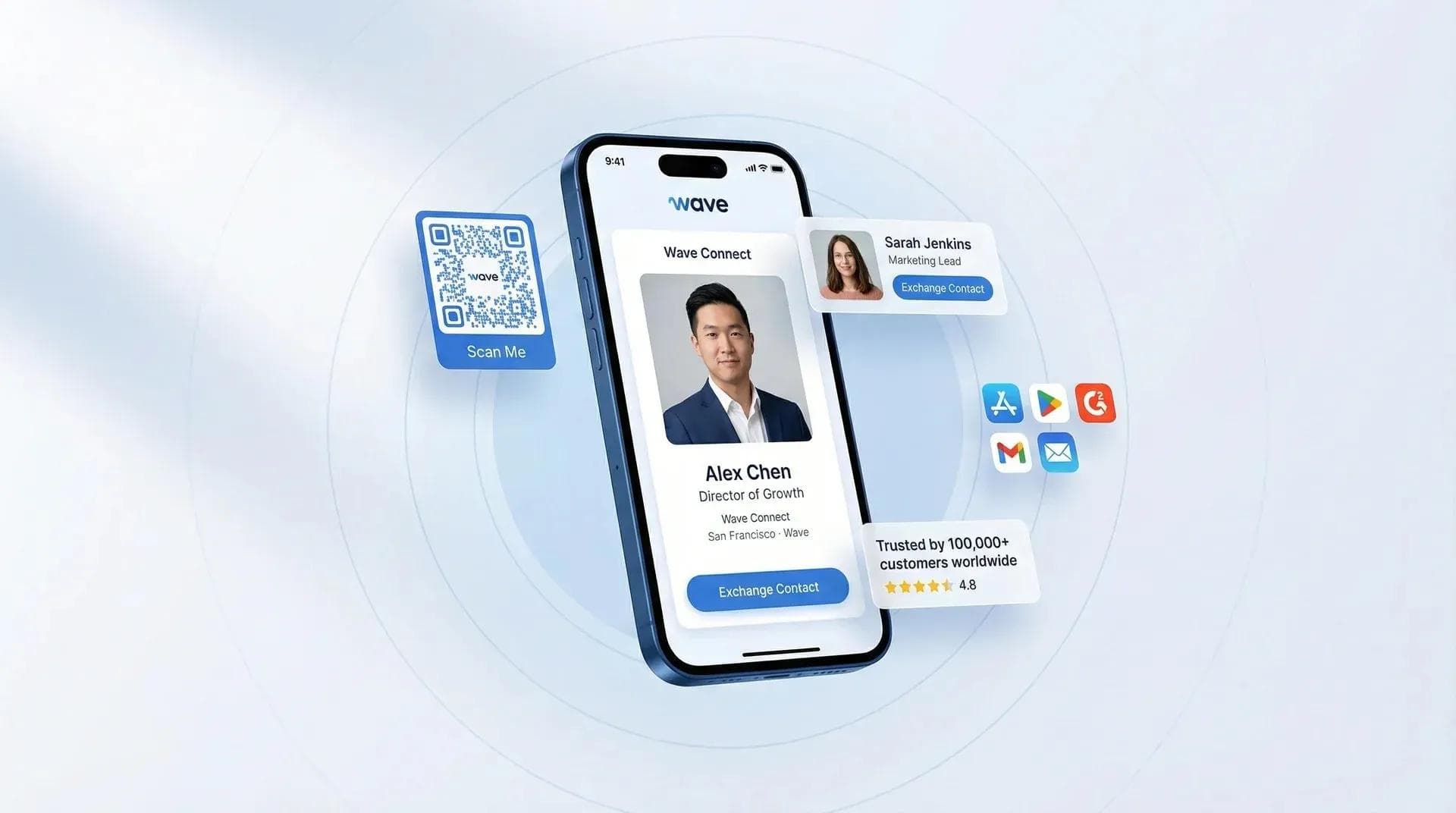
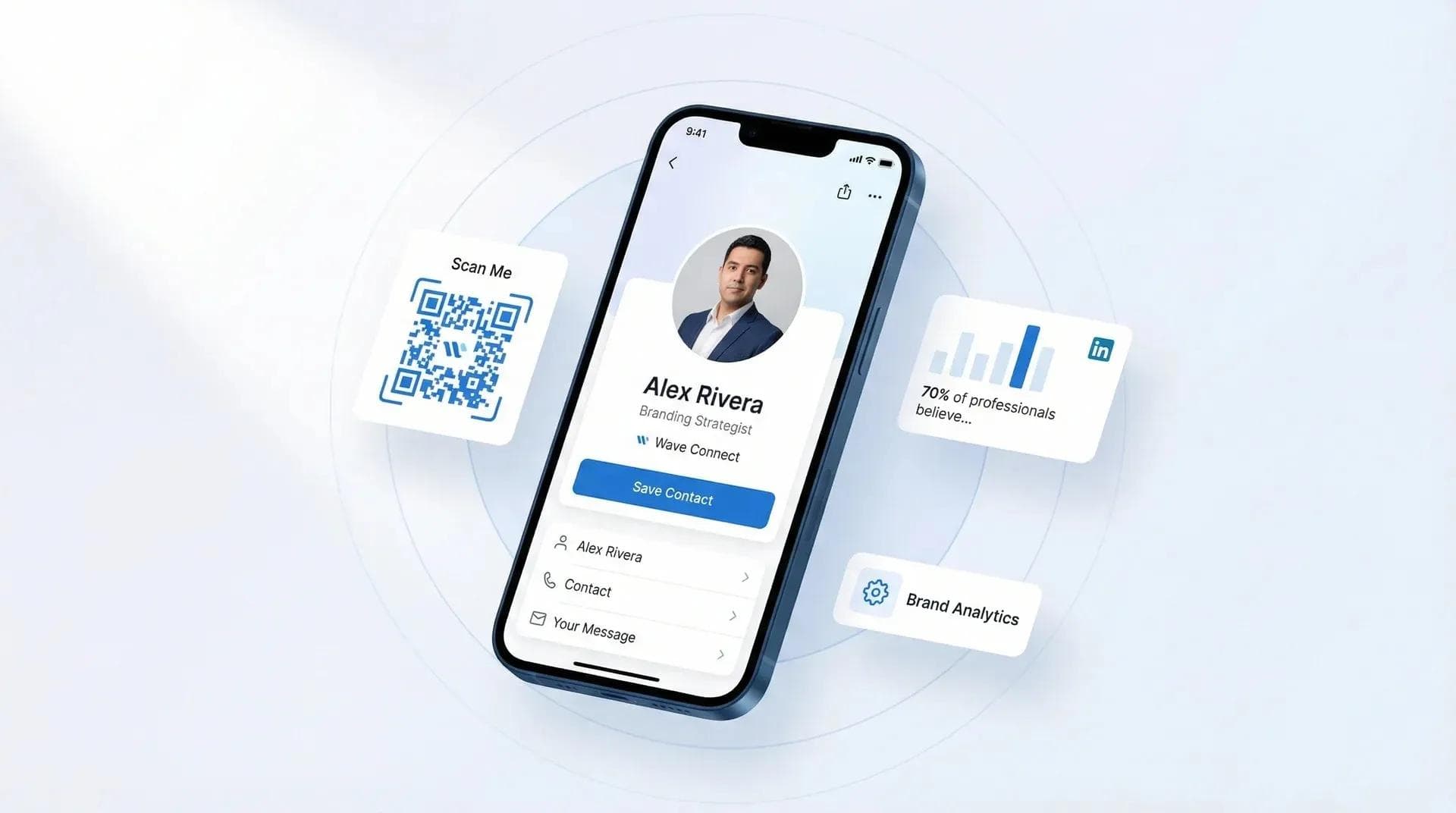
プロフェッショナルな第一印象を与えることは、想像以上に重要です。私は初期の頃からイベントでデジタル名刺を使い始めましたが、これが大きな転機となりました。ゴミ箱行きになりがちな紙の名刺でまごつく代わりに、出会ったすべての人が私の連絡先をその場でスマホに保存できたのです。獲得できる連絡先が増えるほど、フォローアップの機会が増え、結果として顧客獲得につながります。
参加すべきイベントの探し方に迷ったら、ネットワーキングイベントで存在感を発揮する方法のヒントをチェックしてみてください。足を運ぶことと同じくらい、事前の準備が成果を左右します。
2020年に参加した地元のスタートアップミートアップが、最初の有料顧客3社につながりました。火曜日の夜で他にもやるべきことが山積みだったため、危うく欠席するところでした。しかし思い切って参加し、2人の創業者と1人のマーケティングディレクターとじっくり対話し、翌朝フォローアップを行いました。その結果、3人全員が1週間以内に有料契約してくれたのです。このひとつのイベントを通じて、どんな自動メールシーケンスよりも「自ら足を運ぶこと」が勝ると実感しました。
コンテンツとSNSを活用してインバウンドの関心を惹きつける
LinkedInやX(旧Twitter)などのプラットフォームで「Build in Public(事業構築プロセスの公開)」を行うと、広告費を1円もかけずにインバウンドの関心を獲得できます。 考え方はシンプルです。開発しているプロダクト、うまくいっていること、失敗したこと、得られた学びなど、創業者としてのリアルな道のりを発信するだけです。人は透明性に惹かれます。実在する創業者が本気で何かを作っている姿を見ると、そのストーリーを応援したくなり、その一部の人が顧客になってくれるのです。
私自身、目に見える成果が出るまで約3か月間、毎日LinkedInに投稿し続けました。最初の2か月間は、まるで虚空に向かって叫んでいるような感覚でした。ところがある日、顧客とのやり取りについて書いた投稿が通常の50倍のエンゲージメントを獲得し、Wave Connectについて問い合わせるDMが一気に20件も届いたのです。どの投稿が当たるかは予測できません。とにかく継続することがすべてです。
SNSにとどまらず、ターゲット顧客が集まるRedditやQuoraなどのQ&Aプラットフォームで質問に回答するのも効果的です。たとえば「展示会で連絡先を共有する最適な方法は?」という質問に対し、まさにそれを解決するプロダクトを作っているなら、心から役立つ回答を投稿しましょう。売り込みはせず、純粋に相手を助けることに徹します。プロダクトの言及はさりげなく添える程度、あるいは一切触れなくても構いません。回答の質が高ければ、ユーザーは自発的にプロフィールをクリックしてくれます。
「まだ準備が整っていない」と感じる段階からニュースレターやブログを始めることも、もっと早くやっておけばよかったと思う施策のひとつです。完璧なコンテンツは必要ありません。専門知識を持っていることを示すコンテンツを継続して発信することが重要です。コンテンツを通じて築かれるパーソナルブランドは時間とともに複利で価値を高め、あなたが寝ている間も顧客を引き寄せてくれます。
本当に成果が出るコールドアウトリーチ
コールドアウトリーチは悪評を受けがちですが、それは多くの人がやり方を間違えているからです。パーソナライズされ、相手にとっての価値を最優先にしたアウトリーチは、2026年でも十分に機能します。 キーワードは「パーソナライズ」です。1万人に一斉送信されたようなテンプレートのセールストークに返信する人はいません。しかし、事前にリサーチを行い、相手のビジネスに関する具体的な情報に触れることができれば、返信率は劇的に向上します。
「まず与える(Give First)」という原則が、私のすべてを変えました。相手の時間やお金を求める前に、まずは価値ある情報を提供することから始めました。相手のビジネスに対する具体的な考察、役立つ記事の共有、あるいは知り合っておくべき人脈の紹介などです。こうすることで、「何かを求めてくる見ず知らずの人」から「自分の業界をよく理解している頼れる存在」へと関係性を一変させることができます。
多くのB2B創業者にとって、コールドメールよりもLinkedInのDM(ダイレクトメッセージ)の方が高い効果を発揮します。日頃からコンテンツを発信していればなおさらです(前述のセクションを参照)。業界に関する鋭い見解を発信している人物から届くDMは、決して「見知らぬ人からの突然の営業」のようには感じられません。
コールドメールを送る際は、とにかく簡潔にまとめましょう。最大でも3〜4文程度に抑え、具体的な考察を1点、明確な依頼を1点だけ記載します。添付ファイルや「以前の件ですが」「リマインドです」といった文言は不要です。営業チーム向けに販売する場合は、最初のアプローチと同じくらい、いつ・どのように商談をクロージングするかを理解しておくことが重要です。
送信量も大切ですが、質を犠牲にしてはいけません。誰にでも当てはまる定型文を1日200通送るよりも、相手に合わせてパーソナライズしたメッセージを20通送る方が効果的です。その20通の方が、結果としてより多くの返信、対話、そして顧客を生み出します。
初日から紹介(リファラル)の仕組みを構築する
多くの創業者は、紹介を依頼するのを先延ばしにしがちです。満足度の高い顧客は支援したいと思ってくれていますが、こちらから頼まない限り思いつきません。 顧客がサービスを導入し、満足のいく体験を得られたら、「これがお役に立ちそうな方を他にご存じありませんか?」とストレートに尋ねてみてください。たったそれだけのことですが、大半の創業者は一度も尋ねようとしません。
この段階では、手の込んだ紹介プログラムは必要ありません。「お友達を紹介すると双方10%オフ」といったシンプルな内容で十分です。さらに簡単な方法として、紹介をお願いしつつ、相手の手間を省くために紹介メールの文面をこちらで作成して渡すのも効果的です。相手にかかる負担を極力なくしましょう。
効果的な裏ワザをご紹介します。製品デモやオンボーディングがうまくいった後に、NPS(顧客推奨度)の質問をしてみるのです。「1〜10の段階で、当社を他の方に勧めていただける可能性はどのくらいですか?」と尋ねます。9や10と答えた顧客は、紹介獲得の絶好のチャンスです。すかさず「ありがとうございます!どなたか興味を持っていただけそうな方を1名ご紹介いただけないでしょうか?」とフォローアップしましょう。
また、初期の優良顧客にはぜひ導入事例(ケーススタディ)になってもらいましょう。WebサイトやLinkedInに掲載する短い「導入前後の変化」のストーリーであっても、見込み顧客に対する強力な社会的証明(ソーシャルプルーフ)になります。さらに、事例として紹介された顧客も、優れたツールを選んだ先見の明をアピールできるため、自身のネットワークで喜んでシェアしてくれます。
最初の100顧客を獲得するために創業者が備えるべきツール
最初の100顧客を獲得するために、15個ものSaaSを契約する必要はありません。必要なのは、連絡先を収集し、継続的にフォローアップし、何がうまくいっているかを把握する仕組みだけです。 それだけで十分です。まだ顧客が3人しかいないのに、CRMプラットフォームの選定に何週間も費やす創業者を何人も見てきましたが、それはやめましょう。最初はスプレッドシートで十分です。本当に。
この段階で本当に必要なツールのリストは以下のとおりです。
- 連絡先の収集: イベント、電話、紹介など、出会ったすべての人を確実に記録する手段が必要です。デジタル名刺なら、イベントでの連絡先交換をスムーズに行えます。初期の私は、その場で連絡先を記録する仕組みがなかったために、何十人もの見込み顧客を逃してしまいました。
- シンプルなCRM: Google スプレッドシート、Notion、またはHubSpotの無料アカウントで十分です。氏名、出会った経緯、会話内容、フォローアップ予定日を記録します。この最後の「フォローアップ予定日」の項目が最も重要です。
- メールマーケティング: MailchimpやConvertKit(どちらも無料プランあり)を活用しましょう。送信先が50人程度であっても、体系的なナーチャリング(育成)シーケンスを用意する方が「後でフォローアップしよう」と頭で覚えておくよりもはるかに確実です。人間はどうしても忘れてしまうからです。
- 基本的なアクセス解析: 自社サイトにGoogle Analyticsを導入するだけで十分です。どこからトラフィックが来ているかを把握し、効果が出ている施策に注力しましょう。
これらに共通する重要な要素は何でしょうか?それは「フォローアップ」です。このリストにあるツールはすべて、最初のコンタクト後に機会を取りこぼさないために存在します。アウトバウンド営業の基本(粘り強さ、パーソナライズ、タイミング)は、飛び込み営業であれDM送信であれ、あらゆる場面に共通して当てはまります。
営業主導のビジネスを構築しているのであれば、早い段階からチームに適したツールを導入しておくことで、後からすべてを一から作り直す手間を防げます。シンプルでありながら、整理された体制からスタートしましょう。
Wave Connectの立ち上げから最初の6か月間、私の「CRM」は「氏名」「出会った場所」「メモ」「フォローアップ予定日」の4列だけのGoogle スプレッドシートでした。決して凝ったものではありません。しかし、毎週日曜の夜にそのシートを開き、その週に連絡すべき相手を確認して個別のメッセージを送っていました。その毎週の習慣は、当時の段階において、月額99ドルのCRMツールよりもはるかに大きな価値をもたらしてくれました。
よくある質問(FAQ)
最初の100顧客を獲得するまでにどのくらいの期間がかかりますか?
製品や価格帯によって異なり、2週間から12か月以上までさまざまです。 低単価のB2C製品であればSNSを通じて早期に100人に達することもありますが、営業サイクルが長いB2B製品の場合は、3〜6か月間の地道なアプローチが必要になることが一般的です。
最初の顧客を最も早く獲得する方法は何ですか?
友人、元同僚、LinkedInのつながりなど、すでにあなたを信頼してくれている個人的な人脈です。 信頼関係に基づく紹介(ウォームイントロ)の成約率は、他のどのチャネルよりも5〜10倍高くなります。
初期顧客の獲得にはどのくらいの費用をかけるべきですか?
可能な限り抑えるべきです。最初の顧客は、人脈、コンテンツ発信、コールドアプローチなどの無料チャネルから獲得するのが理想的です。 有料広告は、プロダクトマーケットフィット(PMF)が確認できるまで取っておきましょう。
最初の顧客を獲得するために割引を提供すべきですか?
有効ですが、単なる「割引」ではなく、「ファウンディングメンバー価格」や「アーリーアダプター価格」として提示しましょう。 そうすることで製品価値を下げることなく、限定感を演出できます。
有料広告はいつから始めるべきですか?
オーガニックチャネルで約50〜100件の顧客を獲得し、訴求メッセージの有効性が検証できてからです。 どのようなメッセージが響くのか分からないまま広告を出稿するのは、お金を無駄にするだけです。
プロダクトマーケットフィット(PMF)を達成したかどうかはどうすれば分かりますか?
こちらから依頼しなくても顧客が自発的に他者を紹介し始め、高い継続率を維持できているときです。 Sean Ellis氏の指標によれば、ユーザーの40%以上が「この製品がなくなったら非常に困る」と回答すれば、PMFを達成していると言えます。
創業者が初期顧客を獲得する際によく犯す最大のミスは何ですか?
フォローアップを行わないことです。 多くの創業者は十分な数の見込み顧客と出会っていながら、初回の会話後にそれらのつながりを育成(ナーチャリング)する仕組みがないために機会を失っています。
イベントでの出会いを、もう二度と無駄にしない
Wave Connectは、創業者や営業チームが出会った人脈を瞬時に獲得できるよう支援します。アプリのダウンロードも、紙の名刺を探す手間も不要です。成約につながるプロフェッショナルな第一印象を演出しましょう。
Wave for Teamsを試す著者について: George El-Hageは、世界で15万人以上のビジネスパーソンに利用されているデジタル名刺プラットフォーム「Wave Connect」の創業者です。顧客ゼロの状態から数千のチームが利用するプラットフォームへとWaveを成長させ、自身の経験をもとにスタートアップの成長、営業、人脈構築について執筆しています。Georgeとのつながりは LinkedIn から。