George El-Hage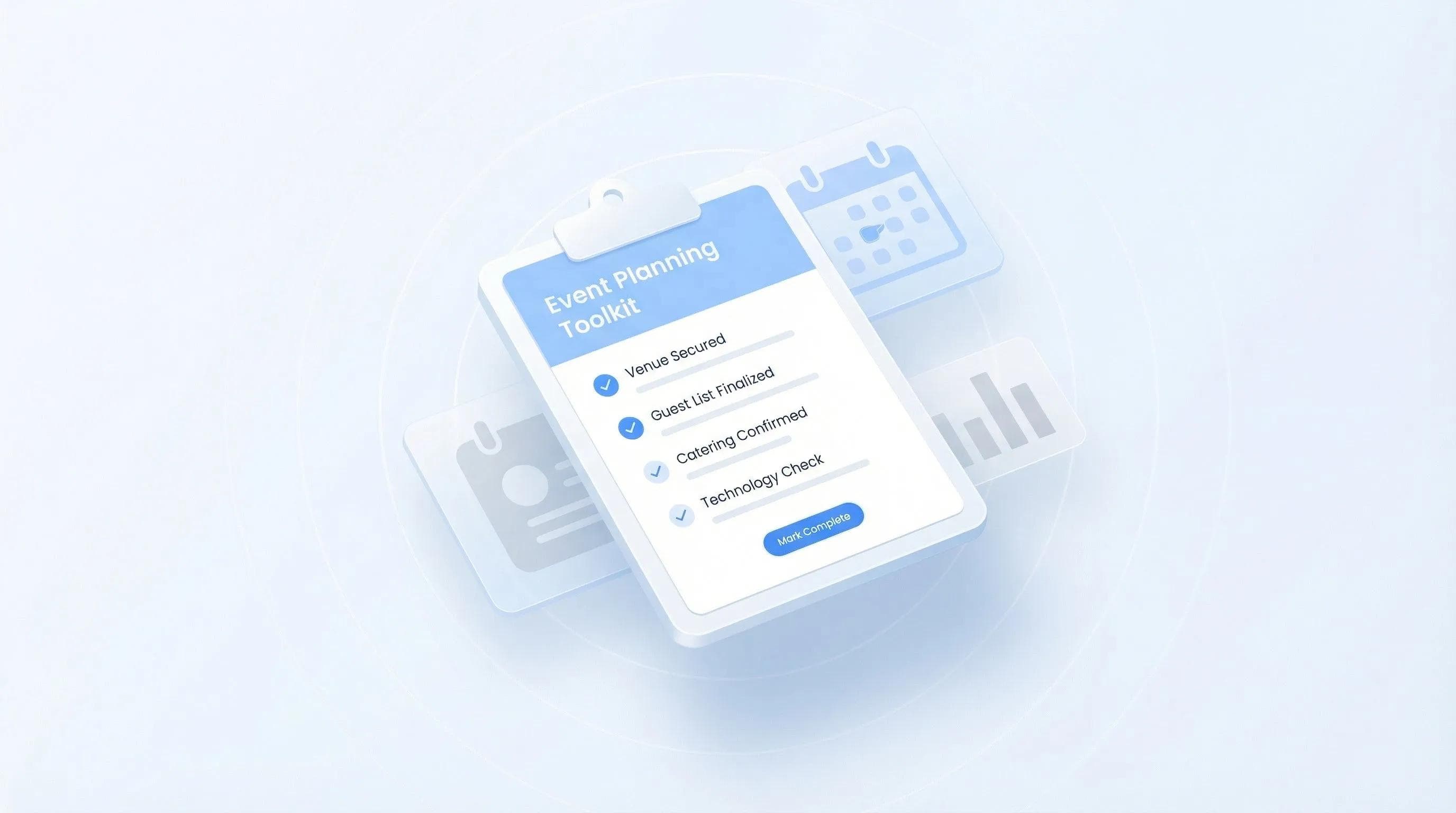
تُعد نماذج مجموعات أدوات إدارة الفعاليات لمديري التسويق الركيزة الأساسية لنجاح المشاركة في المعارض والفعاليات التجارية، ومع ذلك تتجاهل معظم النماذج التقنيات الحديثة لالتقاط العملاء المحتملين. وبعد مساعدة فِرق التسويق في نشر أنظمة بطاقات العمل الرقمية في أكثر من 500 فعالية — بالإضافة إلى تطوير حلول Wave Connect لالتقاط العملاء المحتملين في الفعاليات وماسح الشارات المخصصة خصيصًا لهذا الغرض — قمتُ بجمع هذه المجموعة الشاملة من الأدوات التي تجمع بين التخطيط التقليدي والتقاط العملاء المحتملين بنهج رقمي أولًا.
يتضمن هذا الدليل نماذج قابلة للتنزيل، وأطر عمل للتنفيذ، والأنظمة الدقيقة التي يعتمد عليها عملاؤنا لمضاعفة التقاط العملاء المحتملين حتى 10 أضعاف مع تقليل الوقت المستغرق في إدخال البيانات يدويًا.
تتضمن مجموعة أدوات إدارة الفعاليات الشاملة لمديري التسويق نماذج للتخطيط قبل الفعالية، واستراتيجيات التقاط العملاء المحتملين، وجداول تتبع الميزانية، وأنظمة المتابعة بعد انتهاء الفعالية. وتشمل المكونات الأساسية خطط التسويق للفعاليات، وقوائم مراجعة لتنسيق الفريق، وأدلة التكامل مع CRM، وأطر قياس العائد على الاستثمار. وتركز مجموعات الأدوات الحديثة على أساليب التقاط العملاء المحتملين رقميًا للتخلص من الإدخال اليدوي للبيانات والربط المباشر بأنظمة أتمتة التسويق الحالية.
- نماذج ما قبل الفعالية: قوائم مراجعة التخطيط، وجداول الميزانية، ومتتبعات الجداول الزمنية
- إطار عمل التقاط العملاء المحتملين: أنظمة رقمية تتكامل مباشرة مع CRM الخاص بك
- أدوات التنفيذ: نماذج إحاطة الموظفين، ولوحات تحكم للتتبع الفوري
- أنظمة ما بعد الفعالية: تسلسلات المتابعة، وحاسبات العائد على الاستثمار، ومستندات تقييم الأداء
- تنزيل مجاني: مجموعة أدوات كاملة تضم جميع النماذج الجاهزة للتخصيص
ما الذي تحتويه مجموعة الأدوات الشاملة لإدارة الفعاليات لمديري التسويق؟
تتكون مجموعة أدوات إدارة الفعاليات الشاملة لمديري التسويق من ثلاثة مكونات رئيسية: موارد التخطيط لما قبل الفعالية، وأدوات التنفيذ أثناء الفعالية، وأنظمة المتابعة لما بعدها. وتجمع أكثر مجموعات الأدوات فاعلية في عام 2026 بين نماذج التخطيط التقليدية وتقنيات التقاط العملاء المحتملين رقميًا، مما يسد الفجوة بين المحادثات في جناح العرض وبيانات CRM. وتتضمن العناصر الأساسية خطط تسويق الفعاليات، ومتتبعات الميزانية، وقوائم مراجعة تنسيق الفريق، وأطر تأهيل العملاء المحتملين، وتسلسلات المتابعة المؤتمتة.
إليك ما يميز مجموعة الأدوات الحديثة عن النماذج التقليدية القديمة:
- Wave Connect لالتقاط العملاء المحتملين في الفعاليات: بطاقات عمل رقمية مزودة بخاصية مسح الشارات المدمجة، والمزامنة الفورية مع CRM، وإمكانية النشر الجماعي للفريق — صُممت خصيصًا لتناسب أجنحة المعارض التجارية
- التكامل مع التقاط العملاء المحتملين: نماذج تتصل مباشرة بـ HubSpot أو Salesforce أو Pipedrive
- تحليلات فورية: لوحات تحكم تعرض جودة العملاء المحتملين وأداء الفريق خلال الفعالية
- متابعة مؤتمتة: تسلسلات جاهزة تبدأ تلقائيًا بناءً على تقييم جودة العملاء المحتملين
- أدوات نشر الفريق: إعداد جماعي لبطاقات العمل الرقمية لجميع موظفي جناحك في الفعالية
لا تزال العناصر التقليدية مهمة، مثل جداول الميزانية، وعقود الموردين، ومخططات الجناح. لكن دون التكامل مع التقاط العملاء المحتملين رقميًا، فإنك تبني خطتك على أرض هشة. لقد اختبرتُ هذا بنفسي أثناء إدارة فريق مكون من 50 شخصًا في معرض CES 2025؛ حيث استخدم نصفهم بطاقات ورقية بينما استخدم النصف الآخر أدوات التقاط العملاء المحتملين رقميًا. وخمن أي المجموعتين نجحت في التقاط عملاء محتملين مؤهلين أكثر بـ 8 أضعاف؟
نماذج وقوائم مراجعة التخطيط لما قبل الفعالية
يجب أن تغطي نماذج التخطيط لما قبل الفعالية أربعة مجالات رئيسية: إدارة الجدول الزمني، وتخصيص الميزانية، وتنسيق الفريق، واستراتيجية التقاط العملاء المحتملين. يبدأ أفضل مديري التسويق التخطيط قبل 12 أسبوعًا من المعارض التجارية الكبرى، مع تحديد مراحل رئيسية واضحة لتصميم الجناح، وإعداد المواد التسويقية، وتدريب الموظفين، وإعداد التقنيات اللازمة. ويجب أن تراعي نماذجك اللوجستيات الميدانية والبنية التحتية الرقمية معًا — بما في ذلك اختبار التكامل مع CRM وقواعد توجيه العملاء المحتملين.
- الأسابيع 12-10: تحديد الأهداف، واعتماد الميزانية، وحجز مساحة الجناح
- الأسابيع 10-8: تصميم الجناح، وطلب المواد الدعائية، والتخطيط لاستراتيجية التقاط العملاء المحتملين
- الأسابيع 8-6: إنشاء صفحات الهبوط، وإعداد تسلسلات البريد الإلكتروني، واختبار التكامل مع CRM
- الأسابيع 6-4: تدريب موظفي الجناح، وتفعيل بطاقات العمل الرقمية لفريق المبيعات
- الأسابيع 4-2: شحن المواد، وتثبيت الجداول الزمنية، والتدرب على العروض التوضيحية
- الأسبوع 1: الاجتماعات التوجيهية النهائية، واختبار جميع التقنيات، وتأكيد الترتيبات اللوجستية
يستحق تخطيط الميزانية ورقة عمل مفصلة ومستقلة. فبعد تتبع الإنفاق في مئات الفعاليات، لاحظت أن مديري التسويق يقللون باستمرار من تقدير تكاليف ثلاث فئات: تقنيات التقاط العملاء المحتملين، والوقت المخصص لتدريب الموظفين، وموارد المتابعة بعد انتهاء الفعالية.
💡 من واقع خبرتي: في إحدى فعاليات SaaStr الأخيرة، اكتشف أحد العملاء أن تطبيق ماسح الشارات «المجاني» سيكلفه 3,000 دولار فقط لتصدير بيانات العملاء المحتملين — وذلك قبل يومين فقط من انطلاق المعرض. لذا، فإن امتلاك نموذج ميزانية مفصل يتضمن بنودًا واضحة للتقنيات يجنبك مثل هذه المفاجآت غير السارة.
نماذج استراتيجية التقاط العملاء المحتملين
يجب أن تعالج النماذج الحديثة لاستراتيجية التقاط العملاء المحتملين أطر تأهيل العملاء والحلول التقنية التي تتيح جمع البيانات على الفور. لقد انتهى زمن إدخال بطاقات العمل الورقية يدويًا؛ إذ ينبغي لنماذجك أن تحدد بدقة مسار تدفق العملاء المحتملين بدءًا من التواصل الأول والتكامل مع CRM وحتى تسلسلات المتابعة. ويشمل ذلك معايير تقييم العملاء المحتملين، وقواعد التوجيه، والأدوات المحددة التي سيستخدمها فريقك لالتقاط البيانات.
ابدأ بإطار تأهيل العملاء المحتملين. إليك هيكل النموذج الذي يحقق نتائج مثبتة باستمرار:
- عملاء الفئة أ (جاهزون للشراء): صانع قرار، بميزانية معتمدة، وإطار زمني أقل من 3 أشهر
- عملاء الفئة ب (مهتمون): جهة مؤثرة في القرار، يبحث عن حلول، بإطار زمني من 3 إلى 6 أشهر
- عملاء الفئة ج (بحاجة لرعاية): يجمع معلومات، دون حاجة فورية، بإطار زمني يتجاوز 6 أشهر
- عملاء الفئة د (تحويل أو استبعاد): طالب، أو باحث عن عمل، أو خارج نطاق الجمهور المستهدف
بعد ذلك، حدد طرق الالتقاط المناسبة لكل فئة. يستحق عملاء الفئة (أ) الالتقاط الفوري عبر ماسح الشارات مع إرسال تنبيهات فورية بشأنهم. بينما يناسب عملاء الفئتين (ب) و(ج) استخدام بطاقات العمل الرقمية التي تتم مزامنتها تلقائيًا مع CRM لإطلاق حملات الرعاية والمتابعة.
يُعد التكامل التقني النقطة التي تفشل عندها معظم النماذج. لذا، يجب أن تحدد استراتيجية التقاط العملاء المحتملين ما يلي بوضوح:
- طريقة الالتقاط المخصصة لكل فئة من العملاء المحتملين
- تخطيط حقول CRM (الشركة، المسمى الوظيفي، درجة جودة العميل، الملاحظات)
- إضافة الوسوم التلقائية (اسم الفعالية، موقع الجناح، المنتج محل الاهتمام)
- قواعد إطلاق المتابعة التلقائية بناءً على تقييم جودة العميل
نموذج خطة تسويق الفعاليات (خطوة بخطوة)
تبدأ خطة تسويق الفعاليات الفعالة بأهداف قابلة للقياس، وتحدد شرائح الجمهور المستهدف، وترسم استراتيجية قنوات التسويق، مع جدول زمني مفصل للمحتوى. فأفضل النماذج تدفعك للتفكير أبعد من مجرد «توليد العملاء المحتملين» لتصل إلى مقاييس دقيقة مثل «التقاط 150 عميلاً محتملاً مؤهلاً بقيمة تتجاوز 500 ألف دولار في مسار المبيعات». هذا التحديد الدقيق يوجه كل قرار لاحق، بدءاً من اختيار موقع الجناح وحتى توزيع مهام فريق العمل.
إليك إطار العمل العملي خطوة بخطوة الذي أطبقه مع عملائي:
الخطوة 1: تحديد مقاييس النجاح
تجاوز المقاييس الشكلية غير المجدية؛ يجب أن يحدد نموذج أهدافك ما يلي:
- عدد العملاء المحتملين المؤهلين (حسب فئة التقييم)
- قيمة مسار المبيعات المحققة
- التكلفة المستهدفة لكل عميل محتمل مؤهل
- معدل التحويل إلى اجتماعات متابعة
- الوقت المستغرق لتسليم العميل المحتمل (من التسويق إلى المبيعات)
الخطوة 2: تقسيم الجمهور إلى شرائح
أنشئ ملفات تعريفية مفصلة لكل فئة من الحاضرين ستلتقي بها. فقد أظهرت الإحصائيات الحديثة أن 67% من رواد المعارض التجارية ليسوا صناع قرار؛ لذا يتعين على خطتك أن تتضمن استراتيجيات مخصصة لكل شريحة.
الخطوة 3: استراتيجية القنوات
ينبغي لنموذجك أن يحدد نقاط التواصل لما قبل الفعالية وأثناءها وبعدها:
- قبل الفعالية: حملات البريد الإلكتروني، ومنصات التواصل الاجتماعي، وجدولة المواعيد مسبقاً
- أثناء الفعالية: أنشطة الجناح، وجلسات التحدث، وفعاليات بناء العلاقات
- بعد الفعالية: رسائل المتابعة المتسلسلة، وتقديم المحتوى القيم، وجدولة العروض التوضيحية
💡 من واقع خبرتي: تُنشئ أكثر الفرق نجاحاً صفحات هبوط مخصصة لكل حدث إلى جانب بطاقات عمل رقمية مخصصة مرتبطة بنظام الـ CRM لكل معرض. وقد حقق أحد عملاء قطاع الـ SaaS معدل تحويل أعلى بثلاثة أضعاف بمجرد تخصيص بطاقاته بدعوات لاتخاذ إجراء مثل: «دعنا نتحدث حول [موضوع الفعالية المخصص]».
أدوات التنفيذ أثناء الفعالية
يجب أن تتيح أدوات التنفيذ أثناء الفعالية التنسيق اللحظي، والتقاط العملاء المحتملين فورياً، مع رؤية مباشرة لمقاييس الأداء. فصخب المعارض التجارية وازدحامها لا يرحم ضعف الاستعداد؛ لذا يجب أن تضم مجموعة أدواتك نماذج لإحاطات فريق العمل، وأنظمة لتتبع العملاء المحتملين، ولوحات معلومات للأداء، وبروتوكولات للطوارئ. ويعتمد مديرو التسويق المعاصرون على أدوات سحابية تتزامن فورياً عبر مختلف الأجهزة بين أعضاء الفريق.
- نتائج الأمس: العملاء المحتملون الذين تم التقاطهم، وتوزيع مستويات جودتهم، وأبرز الأعضاء أداءً
- أهداف اليوم: الأهداف المحددة لكل عضو، والاجتماعات المجدولة
- تنبيهات كبار الشخصيات: الزوار المهمون المتوقع حضورهم، ومعلومات المنافسين
- الفحص التقني: التأكد من شحن جميع الأجهزة، وعمل مزامنة CRM بسلاسة، وجاهزية الخطط البديلة
- مستجدات المنافسين: ما استخلصناه من زيارات الأجنحة، والتعديلات المطلوبة على الرسائل التسويقية
التتبع الفوري هو ما يُميز العمل الاحترافي عن الهواة. ينبغي لمجموعة أدوات التنفيذ أن تتضمن لوحات معلومات تعرض:
- العملاء المحتملين الملتقطين كل ساعة (لتحسين توزيع الموظفين)
- توزيع جودة العملاء المحتملين (هل نجذب الجمهور المناسب؟)
- أداء أعضاء الفريق (من يحتاج إلى توجيه ودعم؟)
- جاهزية الأنظمة التقنية (هل توجد أي مشكلات في المزامنة؟)
لا يمكن التعامل مع بروتوكولات الطوارئ كأمر ثانوي؛ فقد رأيت أعطالاً شملت كل شيء بدءاً من توقف نظام CRM إلى تعطل ماسح الشارات، مما عطل عمليات التقاط العملاء المحتملين بالكامل. تحتاج حقيبتك إلى إجراءات تصعيد واضحة وخطط بديلة — مثل تجهيز فريقك باستخدام بطاقات عمل رقمية للتسويق كخطة بديلة جاهزة عند حدوث أي خلل تقني.
نماذج المتابعة بعد الفعالية
ينبغي لنماذج المتابعة بعد الفعالية أتمتة رعاية العملاء المحتملين مع الحفاظ على الطابع الشخصي، وعادة ما تشمل سلاسل بريد إلكتروني، وتوزيع المهام، وأطر عمل لتحليل الأداء. تحسم أول 48 ساعة بعد الفعالية مدى نجاح استثمارك من عدمه — فاهتمام العملاء المحتملين يفتر بسرعة. يجب أن تتيح نماذجك اتخاذ إجراءات فورية حتى في وقت عودة فريقك المرهق من السفر. وهذا يتطلب رسائل تسلسلية معدة مسبقاً، وإنشاء مهام مؤتمتة، وإجراءات تسليم واضحة.
نظّم نماذج المتابعة لديك وفقاً لمستوى اهتمام العميل وجاهزيته:
- الساعات 1-4: إرسال بريد إلكتروني مخصص للعملاء ذوي الاهتمام العالي مع رابط حجز موعد
- الساعات 4-24: تزويد العملاء المهتمين بمجموعة من المواد والمصادر المفيدة مع رابط المواعيد المتاحة
- اليوم 2: إرسال ملخص للفعالية والخطوات التالية لجميع العملاء المحتملين
- الأيام 3-5: تسليم العملاء المؤهلين لفريق المبيعات مع كافة التفاصيل والسياق الكامل
- الأسبوع 2 فصاعداً: إدراج العملاء غير المتجاوبين في سلسلة رعاية طويلة المدى
يجب أن تشير رسائل الشكر في بريدك الإلكتروني إلى نقاط محددة من المحادثة التي جرت بينكم — فالرسائل العامة الموجهة للجميع تقضي على العلاقة التي بنيتها في الجناح. وهنا تتجلى قوة التقاط العملاء المحتملين رقمياً، حيث توفر الملاحظات المسجلة فورياً السياق اللازم لمتابعة مؤثرة ومجدية.
💡 من واقع خبرتي: تنجز الفرق التي تعتمد على بطاقات عمل رقمية مزودة بمزامنة فورية مع CRM عمليات المتابعة أسرع 5 مرات مقارنة بمن يقومون بتفريغ البطاقات الورقية يدوياً. ففي مؤتمر Oracle OpenWorld 2025، أنهى فريق أحد العملاء كامل سلسلة المتابعة قبل أن يبدأ المنافسون حتى في إدخال البيانات.
نماذج تخطيط الميزانية وتتبع العائد على الاستثمار
يجب أن ترصد نماذج تخطيط الميزانية وتتبع العائد على الاستثمار التكاليف المباشرة وتكلفة الفرصة البديلة على حد سواء، مع تصنيفها إلى مساحة الجناح، والتقنيات المستخدمة، ووقت الموظفين، وموارد رعاية العملاء المحتملين. وتغفل معظم النماذج التكلفة الحقيقية للفعاليات بتجاهل ساعات العمل المبذولة قبل الحدث وبعده. لذا ينبغي لإطار ميزانيتك تتبع كل شيء، بدءاً من ساعات التخطيط وصولاً إلى الوقت الذي يقضيه فريق المبيعات في المتابعة. كما يجب أن تراعي حسابات العائد على الاستثمار الصفقات المحتملة الفورية وقيمة العلاقات على المدى الطويل.
- التكاليف الثابتة: مساحة الجناح، والأثاث، واللوحات الإرشادية، والشحن
- التقنيات: أدوات التقاط العملاء المحتملين، والتكامل مع CRM، ومنصات التحليلات
- فريق العمل: وقت الموظفين (التحضير + الفعالية + المتابعة)، والتدريب، والسفر
- التسويق: الحملات الترويجية المسبقة، والمطبوعات الإعلانية، والأصول الرقمية
- التكاليف الخفية: وقت معالجة بيانات العملاء المحتملين، وتكلفة الفرصة البديلة، وحل المشكلات التقنية
يتجاوز قياس العائد على الاستثمار مجرد حساب تكلفة العميل المحتمل البسيطة؛ إذ يجب أن يقيس نموذج التتبع لديك:
- التكلفة لكل عميل محتمل مؤهل (وليس مجرد أي مسح عشوائي)
- قيمة مسار المبيعات المتولدة خلال 30/60/90 يوماً
- سرعة تسليم العميل المحتمل (مما يؤثر مباشرة على معدل إتمام الصفقات)
- مكاسب الكفاءة التقنية (الوقت الموفر باستخدام الأدوات الرقمية)
- مؤشرات التحسن السنوي مقارنة بالأعوام السابقة
ما هو المقياس الأكثر دلالة؟ إنه زمن تحقيق العائد على الاستثمار. فالفعاليات التي تعتمد على أدوات حديثة لالتقاط العملاء المحتملين تحقق عائداً إيجابياً على الاستثمار أسرع بثلاث مرات من الطرق التقليدية، والسبب بسيط: إدراج العملاء المحتملين في مسارات الرعاية فوراً بدلاً من الانتظار لأسابيع لإدخال البيانات.
تحميل مجاني: حقيبة أدوات مدير التسويق للفعاليات
تتضمن حقيبة أدوات مدير التسويق الكاملة للفعاليات المتاحة للتحميل 15 نموذجاً قابلاً للتخصيص، تغطي جميع مراحل تسويق الفعاليات، بدءاً من الجداول الزمنية للتخطيط على مدار 12 أسبوعاً وحتى تحليلات ما بعد الفعالية. وقد تم تصميم كل نموذج استناداً إلى تجارب واقعية في مئات الفعاليات، ليجمع بين خبرات التخطيط المجربة والإمكانات الرقمية الحديثة. تتضمن الحزمة أوراق عمل بصيغة Excel، ونماذج بريد إلكتروني، وأدلة تكامل مع أنظمة CRM، وإرشادات تنفيذية واضحة لا تتطلب أي خبرة تقنية مسبقة.
- ✅ جدول زمني للتخطيط للفعاليات مدته 12 أسبوعاً (Excel)
- ✅ حاسبة ميزانية الفعاليات مع تتبع ROI (Excel)
- ✅ إطار عمل تأهيل العملاء المحتملين (PDF + Excel)
- ✅ دليل إعداد التقاط العملاء المحتملين رقمياً (PDF)
- ✅ نماذج إحاطة وتوجيه فريق العمل (Word)
- ✅ تسلسلات المتابعة عبر البريد الإلكتروني (10 نماذج)
- ✅ لوحة تحليلات ما بعد الفعالية (Excel)
- ✅ قائمة مراجعة التكامل مع CRM (PDF)
- ✅ بروتوكولات الاستجابة للطوارئ (PDF)
- ✅ أوراق مقارنة الموردين (Excel)
عادةً ما يستغرق تطبيق هذه الأدوات من ساعتين إلى 3 ساعات لفعاليتك الأولى، ثم يصبح الأمر مجرد ممارسة روتينية وتلقائية. صُممت النماذج لتعمل بتكامل تام؛ فإطار تأهيل العملاء يغذي تسلسلات المتابعة لديك، والتي ترتبط بدورها بنظام تتبع ROI.
💡 من واقع خبرتي: لا تحاول تطبيق كل شيء دفعة واحدة. ابدأ باستراتيجية التقاط العملاء المحتملين ونماذج المتابعة، فهذه الأدوات تحقق لك ROI فورياً. ثم أضف التحليلات المتقدمة والأتمتة تدريجياً بمجرد أن يتقن فريقك الأساسيات.
الخاتمة
تسد مجموعة أدوات الفعاليات الحديثة لمديري التسويق الفجوة بين التخطيط التقليدي للفعاليات والتنفيذ الرقمي المتطور. وتمثل النماذج وأطر العمل الواردة في هذا الدليل ما يحقق نجاحاً فعلياً في عام 2026، بعد اختبارها في مئات الفعاليات وتطويرها بناءً على نتائج حقيقية.
أكبر خطأ أراه يتكرر؟ فِرق تقضي أسابيع في إتقان تصميم الجناح بينما تتجاهل البنية التحتية لعملية التقاط العملاء المحتملين. لن تفيدك اللوحات الإعلانية الجذابة إذا ضاعت بيانات العملاء في دوامة الإدخال اليدوي.
ابدأ بالأساسيات: تأكد من أن كل محادثة يمكن أن تنتقل بسلاسة من الجناح إلى نظام CRM وصولاً إلى إتمام الصفقة. وكل ما عدا ذلك هو مجرد تحسين وتطوير.
الأسئلة الشائعة
ما الذي يجب أن تتضمنه مجموعة أدوات تسويق الفعاليات؟
تتضمن مجموعة أدوات تسويق الفعاليات الشاملة نماذج للتخطيط المسبق، وأنظمة التقاط العملاء المحتملين، وأدوات لتتبع الميزانية، وتنسيق عمل الموظفين، وأطر عمل للمتابعة بعد انتهاء الفعالية. وتشمل المكونات الأساسية كل شيء، بدءاً من نماذج الجداول الزمنية الممتدة لـ 12 أسبوعاً وحتى لوحات قياس ROI.
كم من الوقت مسبقاً يجب أن أبدأ التخطيط للفعالية؟
تتطلب المعارض التجارية الكبرى 12 أسبوعاً من التحضير، بينما تحتاج الفعاليات الأصغر من 6 إلى 8 أسابيع كحد أدنى. ويجب الانتهاء من الإعداد التقني واختبار التكامل مع CRM قبل 4 أسابيع على الأقل من موعد الفعالية.
ما أفضل طريقة لتتبع ROI من الفعاليات؟
تتبع التكلفة لكل عميل محتمل مؤهل، وقيمة الصفقات المحتملة الناتجة، والوقت المستغرق لتحقيق الإيرادات، بدلاً من الاكتفاء بالعدد الإجمالي للعملاء المسجلين. وتتيح عمليات التكامل الحديثة مع CRM تتبع رحلة العميل وإسناد المبيعات بدقة، بدءاً من المسح الأولي وحتى إتمام الصفقة.
كيف يمكنني تنسيق عمل الفرق الكبيرة في الفعاليات؟
استخدم نماذج الإحاطة اليومية، ولوحات متابعة الأداء الفورية، والأدوات الرقمية التي تتزامن تلقائياً بين جميع أعضاء الفريق. كما تلغي حلول التقاط العملاء المحتملين السحابية مشكلات تضارب النسخ، وتوفر رؤية فورية وشاملة.
ما التقنيات التي أحتاجها لتسويق الفعاليات الحديثة؟
تشمل التقنيات الأساسية أدوات التقاط العملاء المحتملين رقمياً، والتكامل مع CRM، والتحليلات الفورية، وأنظمة المتابعة المؤتمتة. كما تحل أجهزة ماسح الشارات وبطاقات العمل الرقمية محل الإدخال اليدوي للبيانات.
ما مدى السرعة التي يجب أن أتبع بها العملاء المحتملين بعد الفعالية؟
يحتاج العملاء ذوو الأولوية العالية إلى متابعة مخصصة في غضون 4 ساعات، بينما يُتابع المهتمون خلال 24 ساعة. وتتيح لك تسلسلات البريد الإلكتروني الجاهزة، والتي تُفعل تلقائياً بناءً على تقييم وتصنيف العملاء، تحقيق هذه السرعة على نطاق واسع.
هل أنت مستعد لتطوير عملية التقاط العملاء المحتملين في فعالياتك؟
بينما تبدأ بتطبيق هذه النماذج، امنح فريقك ميزة تنافسية حديثة في التقاط العملاء المحتملين. يتكامل Wave Connect مباشرة مع نظام CRM لديك ويمكن نشره لمئات الأعضاء في فريقك خلال دقائق.
استكشف Wave Connect مجاناًعن الكاتب: George El-Hage هو مؤسس Wave Connect، ويساعد أكثر من 150,000 متخصص في تطوير أساليب بناء العلاقات المهنية. وبفضل خبرته في تطبيق حلول بطاقة عمل رقمية في أكثر من 500 معرض تجاري وفعالية، يدرك George تماماً ما يحتاجه مديرو التسويق لالتقاط العملاء المحتملين وتتبعهم وتحويلهم إلى صفقات بنجاح وكفاءة.